A dental emergency can strike without warning, transforming an ordinary day into a moment of panic and pain. Whether it’s a knocked-out tooth during a weekend basketball game in Piedmont Park or a sudden, severe toothache that interrupts your workday in Midtown, knowing how to respond in those critical first moments can mean the difference between saving or losing a tooth.
At Pharr Road Dentistry, Dr. Keya Patel understands that dental emergencies don’t follow a convenient schedule. Located in the Buckhead district, our practice is equipped to handle urgent dental situations with the same comprehensive care and compassion we bring to every patient interaction. We know that when you’re experiencing a dental crisis, you need more than just clinical expertise. You need a dental home where you feel supported, informed, and confident that your emergency will be resolved with skill and genuine concern for your well-being.
Recognizing a True Dental Emergency
Not every dental issue requires immediate emergency care, but certain situations demand prompt attention. Severe pain that doesn’t respond to over-the-counter medication, uncontrolled bleeding from the mouth, a knocked-out permanent tooth, or facial swelling that affects your breathing are all signs you need emergency dental care right away. Trauma to the jaw or face, particularly after an accident or injury, should never be ignored. A loose permanent tooth in an adult also constitutes an emergency, as does an abscess or infection that causes fever, swelling, or severe pain.
Other situations may feel urgent, but can typically wait until regular office hours. A minor toothache that responds to pain medication, a small chip in a tooth without pain, or a lost filling or crown without significant discomfort can usually be addressed during a scheduled appointment. Food stuck between teeth, even if uncomfortable, rarely requires emergency intervention. Understanding this distinction helps you make informed decisions about when to seek immediate care versus when to schedule a routine visit for general dentistry services.
First Aid for Common Dental Emergencies
Knowing what to do in the first few minutes of a dental emergency can protect your tooth, reduce your pain, and give Dr. Patel the best chance of a full restoration when you arrive.
Knocked-Out Tooth
Time is absolutely critical when a permanent tooth has been knocked out. Pick up the tooth by the crown only, never touching the root. If it’s dirty, gently rinse it with milk or clean water, but don’t scrub it or remove any attached tissue fragments. The best place to keep the tooth is back in its socket if possible, held gently in place by biting down on clean gauze or a soft cloth. If reinsertion isn’t feasible, keep the tooth moist by placing it in a container of milk, saliva, or a tooth preservation solution. Never store a knocked-out tooth in plain water, as this can damage the root cells.
Severe Toothache
Rinse your mouth thoroughly with warm salt water to help reduce inflammation and clear away any debris. Carefully floss around the painful tooth to ensure nothing is lodged between your teeth that could be causing discomfort. Apply a cold compress to the outside of your cheek near the affected area for 15 minutes at a time to reduce swelling. Take over-the-counter pain medication as directed on the package, but never place aspirin directly on your gums or tooth, as this can cause tissue damage.
Broken or Chipped Tooth
Rinse your mouth with warm water and save any pieces of the broken tooth if you can find them. If there’s bleeding, apply gentle pressure with clean gauze for about 10 minutes or until the bleeding stops. A cold compress on your cheek can help reduce swelling and provide some pain relief. Cover any sharp or jagged edges with dental wax or sugar-free gum to protect your tongue and cheeks from cuts. Avoid chewing on the affected side of your mouth until you can receive professional care.
Lost Filling or Crown
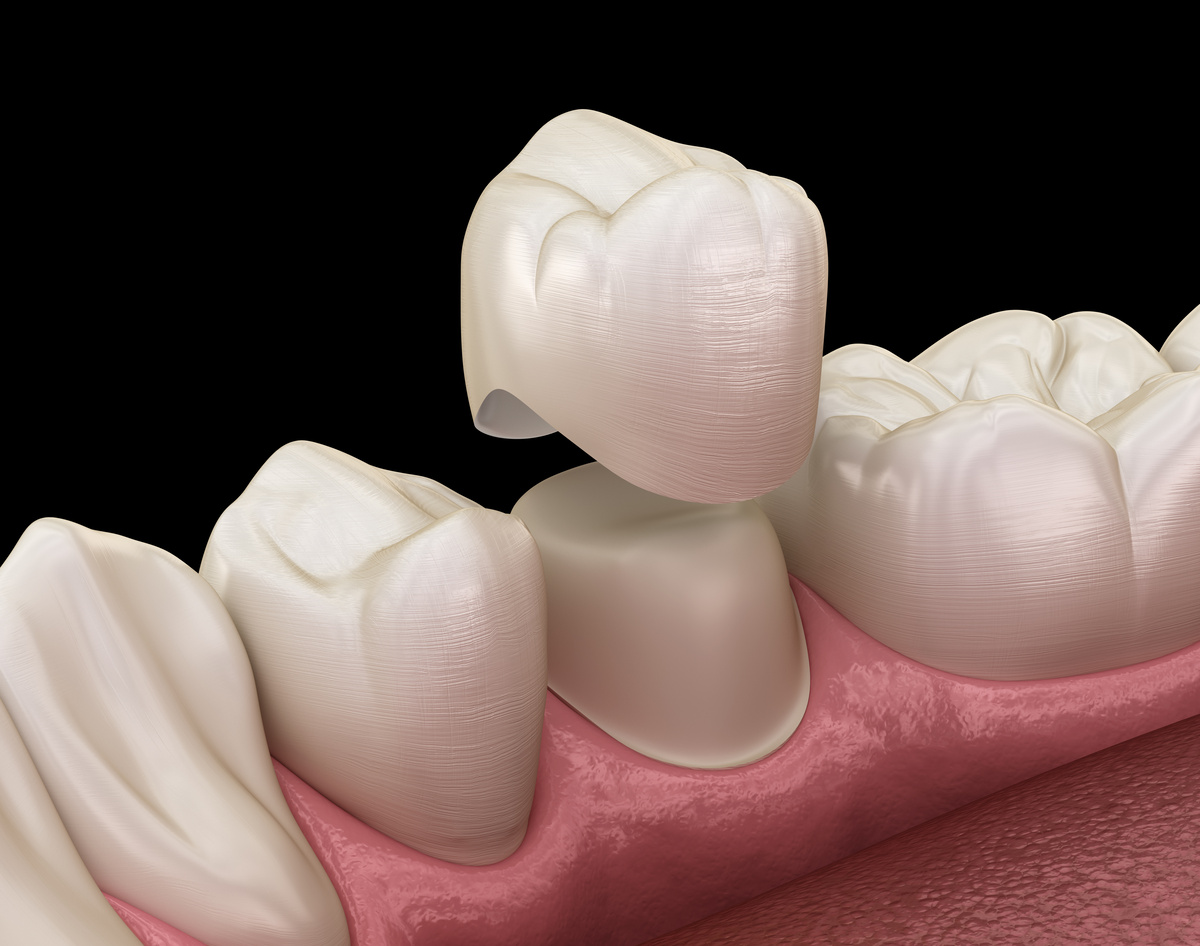
If you’ve lost a filling, temporary dental cement from a pharmacy can help protect the exposed tooth until you reach our office. For a lost crown, try to slip it back over the tooth after coating the inner surface with dental cement, denture adhesive, or even a small amount of toothpaste. This is only a temporary solution, but it can prevent sensitivity and protect the tooth. Keep the crown in a safe place if you cannot reattach it, and bring it with you to your appointment, as we may be able to recement the original restoration.
Managing a dental emergency effectively requires both immediate first aid and professional intervention. While these temporary measures can provide relief and protection, they are not substitutes for the comprehensive emergency dental care you need.
What to Avoid During a Dental Emergency
Certain actions can worsen your dental emergency or complicate treatment. Never ignore persistent pain or swelling, hoping it will resolve on its own, as infections can spread and become life-threatening. Avoid taking more medication than recommended on the package, and don’t place aspirin or other pain relievers directly on your gums, as this burns the tissue. Don’t try to extract a loose tooth yourself or force a knocked-out tooth back into place if it doesn’t fit easily. Applying heat to a swollen area or consuming very hot or cold foods and beverages when experiencing dental pain can intensify your discomfort.
Preparing for Your Emergency Visit
Contact our office immediately when a dental emergency occurs. We prioritize urgent cases and will work to see you as quickly as possible. If the emergency happens after hours, our answering service will provide guidance on the next steps. When you call, be prepared to describe your symptoms clearly, including when the pain or injury started, the severity of your discomfort, and any visible damage to your teeth or gums. This information helps us prepare for your arrival and ensures we have everything ready to address your specific situation efficiently.
Gather important information before heading to our office. Bring your insurance card, a list of any medications you’re currently taking, and any relevant medical history that might affect your treatment. If you’ve broken or lost a tooth, bring the pieces or the tooth with you. Having a trusted friend or family member accompany you can be helpful, especially if you’re in significant pain or distress. They can assist with paperwork, ask questions you might forget, and provide transportation if needed.
Why Choose Pharr Road Dentistry for Your Dental Emergency
When you’re facing a dental emergency, you need a practice that combines clinical excellence with genuine compassion. Dr. Keya Patel brings extensive training and experience to every emergency case, utilizing state-of-the-art technology to diagnose and treat urgent dental issues effectively. Our commitment to comprehensive care means we don’t just address the immediate problem but also look at your overall oral health to prevent future emergencies. We understand that dental emergencies often involve anxiety and fear, which is why we take the time to explain your condition, treatment options, and expected outcomes in terms you can understand.
Our practice in the Buckhead district offers convenient access for Atlanta residents facing dental emergencies. While we are a fee-for-service practice, we will file insurance claims on your behalf to maximize your benefits. More importantly, we provide care that prioritizes your health and comfort over financial considerations. From the moment you contact our office with a dental emergency, you’ll experience the difference that true patient-centered dentistry makes in your treatment and recovery.