When your dentist tells you that you need a crown, it can feel like a lot to process. Beyond the procedure itself, you are suddenly faced with a material choice that most people have never had to think about before, and it is not always clear where to start. Porcelain or metal? Which one lasts longer? Will it look natural? The decision matters more than it might seem, because the material you choose will affect how your tooth functions, how it looks, and how well it holds up for years to come.
At Pharr Road Dentistry in the Buckhead district, Dr. Keya Patel recognizes that every patient’s situation is unique, which is why we take time to explain your restoration options in detail before moving forward with treatment. Our comprehensive approach ensures you understand the advantages and limitations of different crown materials so you can make an informed choice that aligns with your oral health needs, aesthetic preferences, and long-term goals. Whether you need a crown to protect a tooth after root canal therapy, restore a severely worn tooth, or replace an old, failing restoration, we’re committed to helping you achieve optimal results with personalized care and attention.
Understanding Metal Crowns: Strength and Longevity
Metal crowns have served as the gold standard for dental restorations for decades, earning their reputation through exceptional durability and longevity. These crowns can be fabricated from various metals, including gold alloys, palladium, nickel, chromium, or combinations of these materials. Gold crowns, in particular, have been used in dentistry for centuries and remain a popular choice among dentists for their biocompatibility and gentle wear on opposing teeth.
The primary advantage of metal crowns lies in their remarkable strength and resistance to fracture. They can withstand the intense biting and chewing forces exerted by molars without chipping, cracking, or breaking, making them particularly suitable for posterior teeth that endure significant pressure during normal function. Metal crowns require minimal removal of healthy tooth structure during preparation, preserving more of your natural tooth than other crown types. They also exhibit excellent marginal integrity, creating a tight seal at the gum line that helps prevent decay at the crown margin.
Research published in the European Journal of Oral Sciences examining multiple factors influencing dental crown survival found that material selection significantly impacts long-term outcomes. Metal crowns demonstrate excellent clinical performance with minimal technical complications over extended periods, contributing to their continued use in modern dentistry despite the availability of newer materials.
However, metal crowns have one significant drawback that limits their use in visible areas of the mouth. Their metallic color stands out conspicuously against natural teeth, making them aesthetically unacceptable for most patients when placed on front teeth or even premolars that show when smiling or speaking. For this reason, metal crowns are typically reserved for molars where their superior strength is most needed and their appearance is less visible.
Exploring Porcelain Crowns: Natural Aesthetics and Modern Technology
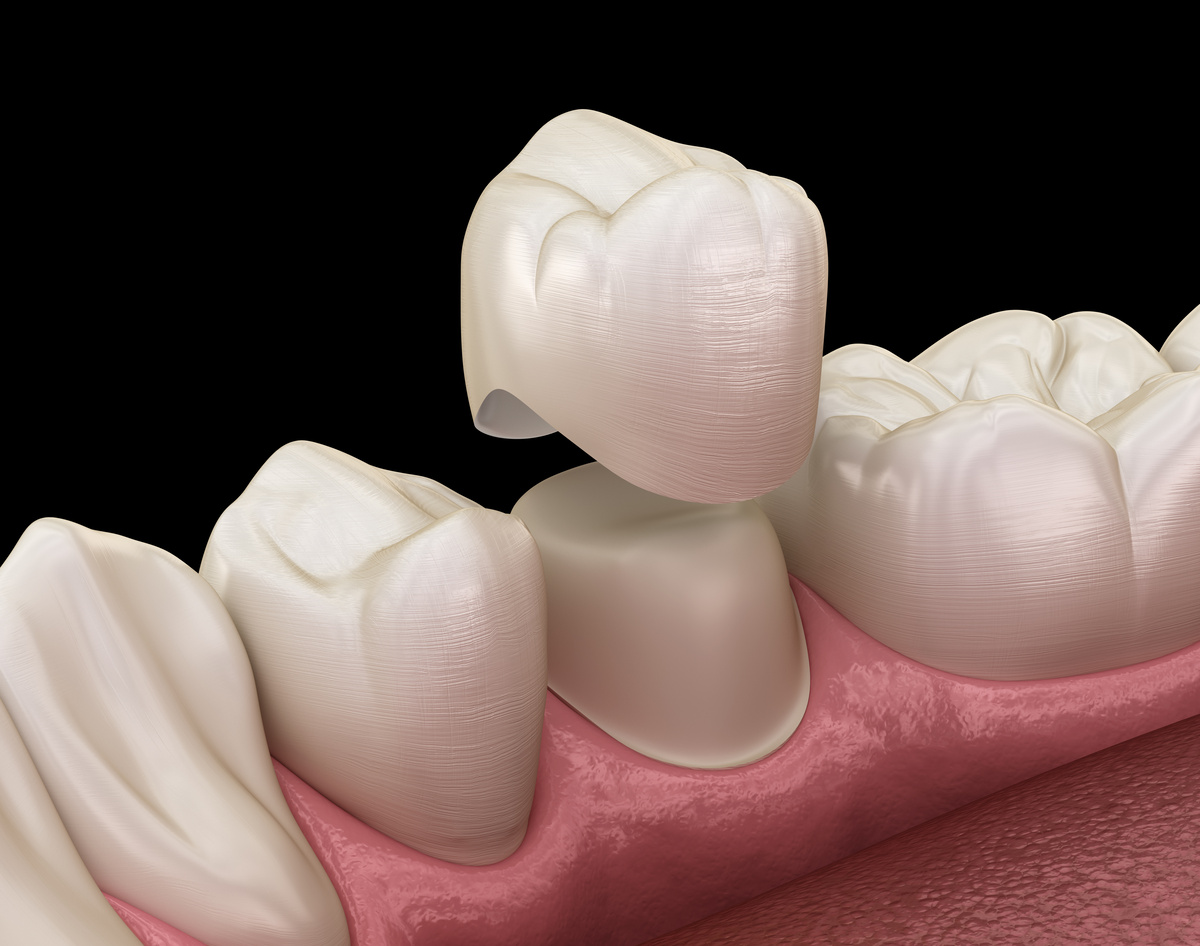
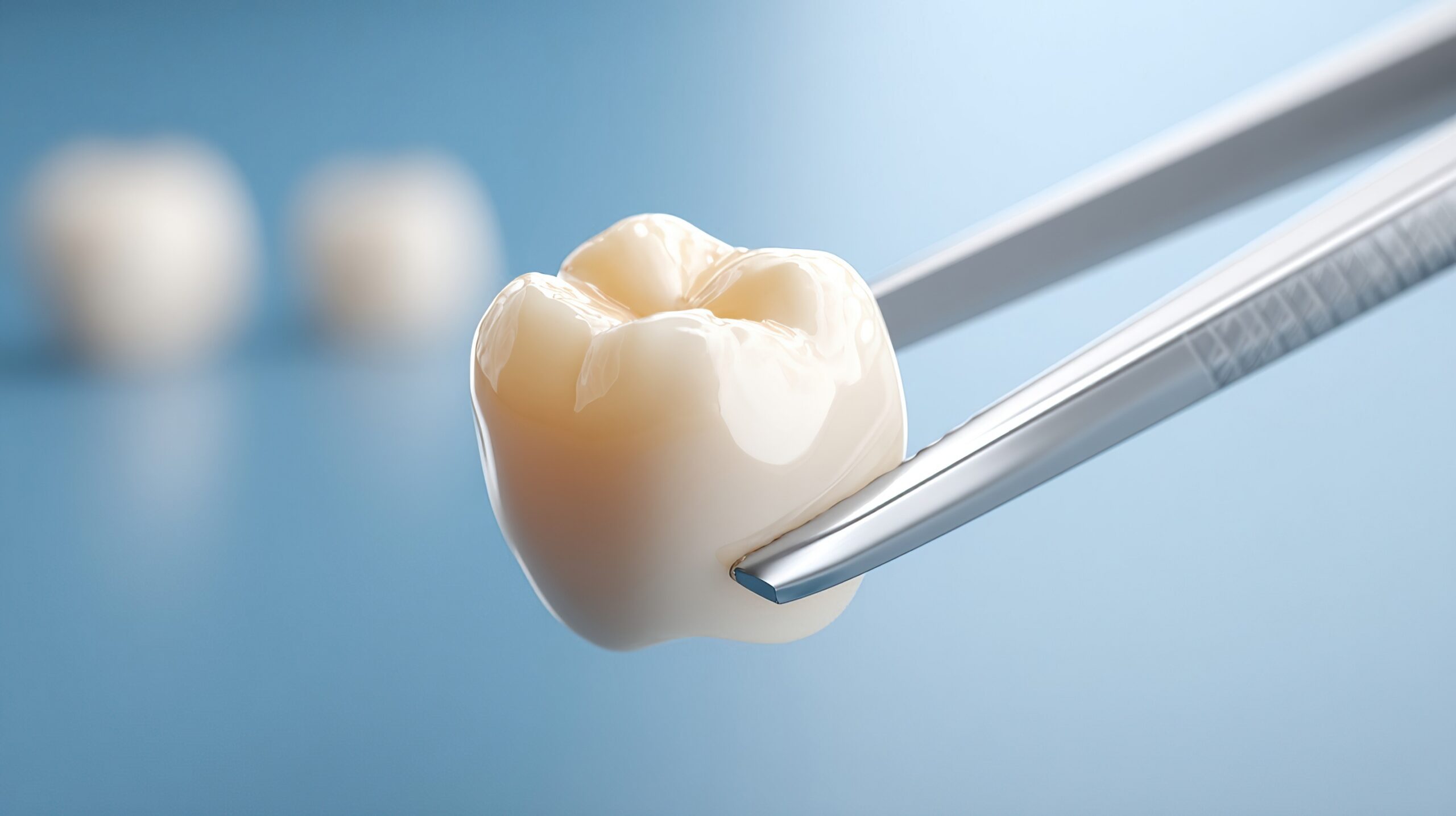
Porcelain crowns, also called all-ceramic crowns, have revolutionized cosmetic and restorative dentistry by providing restorations that closely mimic the translucency, color, and light-reflecting properties of natural tooth enamel. These crowns are fabricated entirely from dental ceramic materials, with no metal substructure, allowing light to pass through them in a way that replicates the optical properties of real teeth. The result is a restoration that blends seamlessly with surrounding teeth, making it virtually indistinguishable from your natural dentition.
Modern porcelain crown materials include several different types of ceramics, each with distinct characteristics and applications. Zirconia crowns offer exceptional strength while maintaining excellent aesthetics, making them suitable for both anterior and posterior restorations. Lithium disilicate crowns provide outstanding translucency and natural appearance, ideal for front teeth and visible areas. Leucite-reinforced glass ceramics combine beauty with adequate strength for single-unit crowns in less demanding positions.
The aesthetic advantages of porcelain crowns extend beyond their natural appearance. These restorations can be customized to match the exact shade, translucency, and surface texture of your adjacent teeth, creating results so natural that even dental professionals may have difficulty identifying the restoration. This makes porcelain crowns the preferred choice for anterior teeth and any situation where appearance is a priority. They’re also ideal for patients with metal allergies or sensitivities who cannot tolerate metal-based restorations.
Porcelain crowns do have some limitations compared to their metal counterparts. While modern ceramics are quite strong, they remain more susceptible to fracture than metal under extreme biting forces, particularly in patients who grind or clench their teeth. They typically require slightly more tooth reduction during preparation to accommodate adequate thickness for strength. Some types of porcelain crowns may also cause more wear on opposing natural teeth compared to metal or enamel, though this varies significantly based on the specific ceramic material used and proper occlusal adjustment.
Porcelain-Fused-to-Metal Crowns: A Hybrid Solution
Porcelain-fused-to-metal crowns represent a compromise between the strength of metal and the aesthetics of porcelain. These restorations feature a metal substructure for durability covered with layers of tooth-colored porcelain on visible surfaces. This design combines the structural advantages of metal with improved appearance compared to full metal crowns, making them a traditional choice for both anterior and posterior teeth.
The metal foundation provides exceptional strength and longevity, while the porcelain overlay delivers a more natural appearance than metal alone. These crowns can be designed with porcelain covering the entire visible surface or with metal showing on less visible areas like the tongue-side of molars. They’ve been used successfully for decades and have a well-established track record of clinical performance.
Despite their benefits, porcelain-fused-to-metal crowns have notable drawbacks. The porcelain layer can chip or fracture, exposing the metal underneath and creating an unaesthetic appearance. Over time, gum recession may reveal the metal margin at the base of the crown, creating a dark line at the gum line that becomes increasingly visible. The opacity required in the porcelain to mask the metal substructure prevents these crowns from achieving the translucency and light transmission of all-porcelain restorations, resulting in a less natural appearance. Many modern dental practices now prefer all-ceramic or all-metal options over this hybrid approach.
Determining the Right Crown Material for Your Situation
Selecting the appropriate crown material depends on multiple factors specific to your situation. The location of the tooth requiring restoration plays a crucial role in material selection. Front teeth and premolars visible when you smile or speak typically benefit most from all-porcelain crowns for optimal aesthetics. Molars that aren’t visible but endure significant chewing forces may be better candidates for metal or strong zirconia crowns.
Your bite relationship and habits also influence material choice. Patients who grind or clench their teeth may need the superior fracture resistance of metal or zirconia crowns, while those with a normal bite can usually accommodate any crown material. The condition of the tooth receiving the crown matters as well. Teeth with substantial existing structure can support any crown type, while heavily damaged teeth requiring extensive rebuilding may need the strength of metal or the superior marginal adaptation of certain ceramics.
Personal preferences regarding appearance, metal sensitivities, and budget considerations all factor into the final decision. Some patients prioritize function and longevity above all else, while others place aesthetics at the top of their priority list. Dr. Patel evaluates all these variables during your consultation to recommend the crown material most likely to meet your needs and provide successful long-term results.
Advanced Crown Technology at Pharr Road Dentistry
At Pharr Road Dentistry, we utilize advanced technology to deliver precise, high-quality crown restorations regardless of the material you select. Our practice offers same-day crowns using computer-aided design and manufacturing technology, allowing us to design, fabricate, and place your crown in a single appointment for select cases. This eliminates the need for temporary crowns, multiple visits, and waiting periods while providing restorations with exceptional fit and aesthetics.
Your journey to a restored smile begins with a thorough examination and honest conversation about your options, expectations, and concerns. We explain the pros and cons of different crown materials in terms you can understand, answer your questions patiently, and respect your treatment preferences. Whether you ultimately choose porcelain for its beauty, metal for its strength, or another option based on your specific situation, you can trust that your crown will be crafted with precision and placed with care. Contact our office today to schedule your consultation and take the first step toward restoring your tooth with the crown material that’s right for you.